

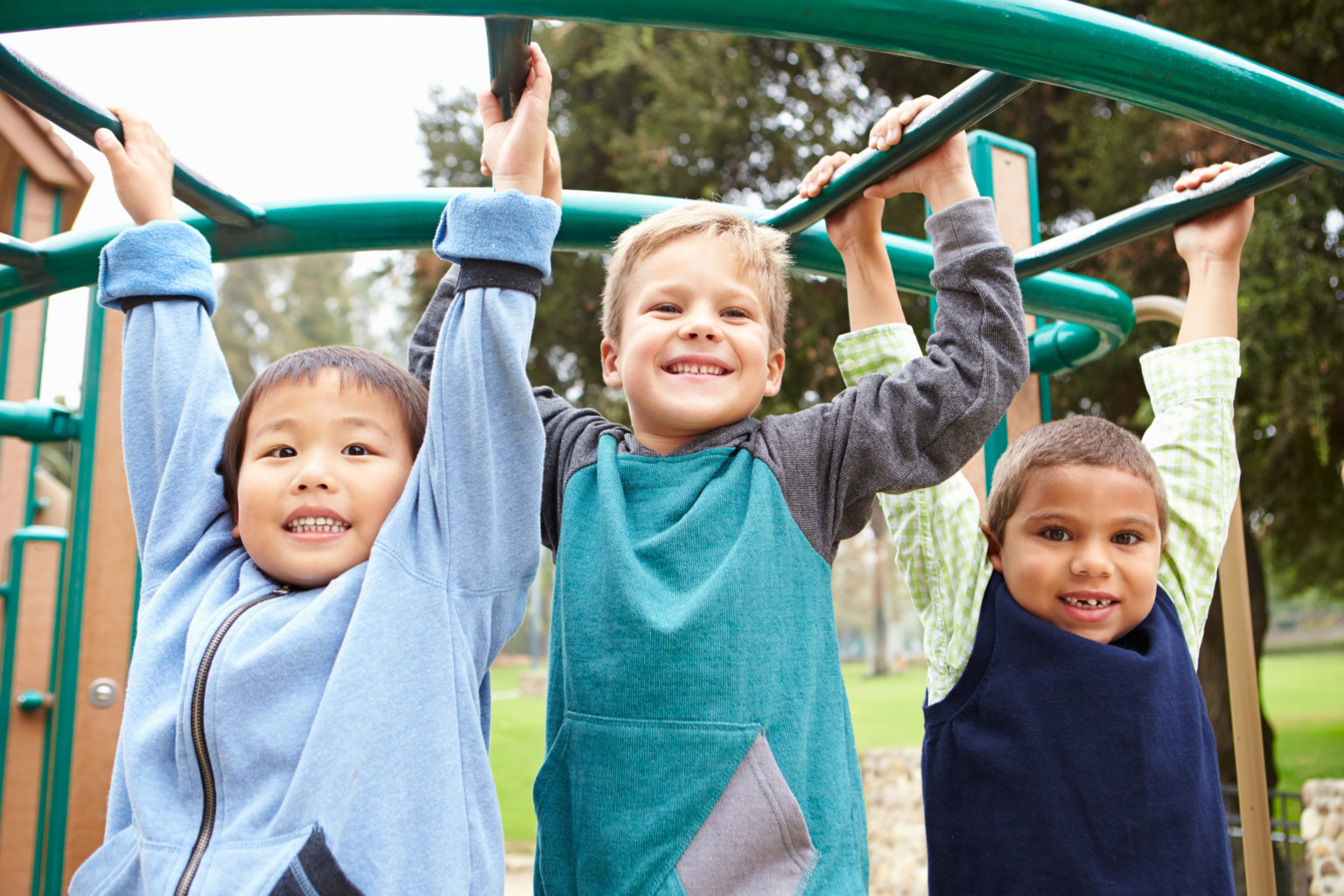
For some children, the social side of school is more challenging than academics.
You may notice:
- Reluctance to attend school
- Worry about peers
- Difficulty joining play
- Distress around friendships
Social skills anxiety is more common than many parents realise.
Why Social Anxiety Happens
Social challenges can arise due to:
- Temperament
- Communication difficulties
- Previous negative experiences
- Sensory sensitivities
- Difficulty interpreting social cues
For children, social interactions can feel unpredictable and overwhelming. What seems natural to other children may require significant effort for those who struggle socially.
Signs Your Child May Be Struggling Socially
Look out for:
- Avoiding group play
- Frequent loneliness or exclusion
- Intense worry about peers
- Emotional meltdowns after school
- Difficulty resolving conflict
- Preferring to play alone
- Talking about having no friends
- Physical complaints before school (stomach aches, headaches)
These signs don’t always mean there’s a problem — but they’re worth exploring if they persist.
Understanding Social Skills Challenges
Social skills include:
- Reading social cues: understanding facial expressions, tone, and body language
- Initiating interaction: starting conversations or joining play
- Turn-taking: sharing space, materials, and conversation
- Perspective-taking: understanding how others feel
- Conflict resolution: managing disagreements appropriately
Children may struggle with one or several of these areas.
How Parents Can Support at Home
Helpful strategies include:
1. Validate Feelings
Let your child know their feelings are understandable. Avoid dismissing concerns with “just be confident” — this rarely helps and can increase shame.
2. Practise Social Scenarios Through Play
Role-playing can help children:
- Rehearse tricky situations
- Build language for social interactions
- Feel more prepared for real-life scenarios
Use toys, puppets, or simple role-play to practise.
3. Support Emotional Regulation
Children who are emotionally regulated are better able to navigate social situations. Help your child:
- Identify their feelings
- Use calming strategies
- Recover from difficult interactions
4. Reduce Pressure
Avoid forcing social situations or comparing your child to others. Confidence grows through support — not force.
5. Facilitate Positive Experiences
Arrange low-pressure playdates with one or two children. Smaller groups are often easier to navigate than large, unstructured settings.
When Professional Support Can Help
Speech pathologists and occupational therapists can support:
- Social communication
- Emotional regulation
- Confidence in peer interactions
- Understanding social cues
- Developing friendship skills
At LEAP Centre, we support children through individual therapy and social skills groups tailored to their needs.
What Social Skills Therapy Looks Like
Social skills therapy may include:
- Learning to read facial expressions and body language
- Practising conversation skills
- Role-playing common social situations
- Building strategies for joining play
- Developing conflict resolution skills
- Group programs with peers
Therapy is tailored to your child’s specific challenges and goals.
A Final Thought
Transitions are not about “pushing through” — they’re about supporting children to feel safe, capable, and understood.
With the right strategies and support, school transitions can become opportunities for growth rather than sources of stress.
Contact us to discuss how we can support your child through their next school transition.